


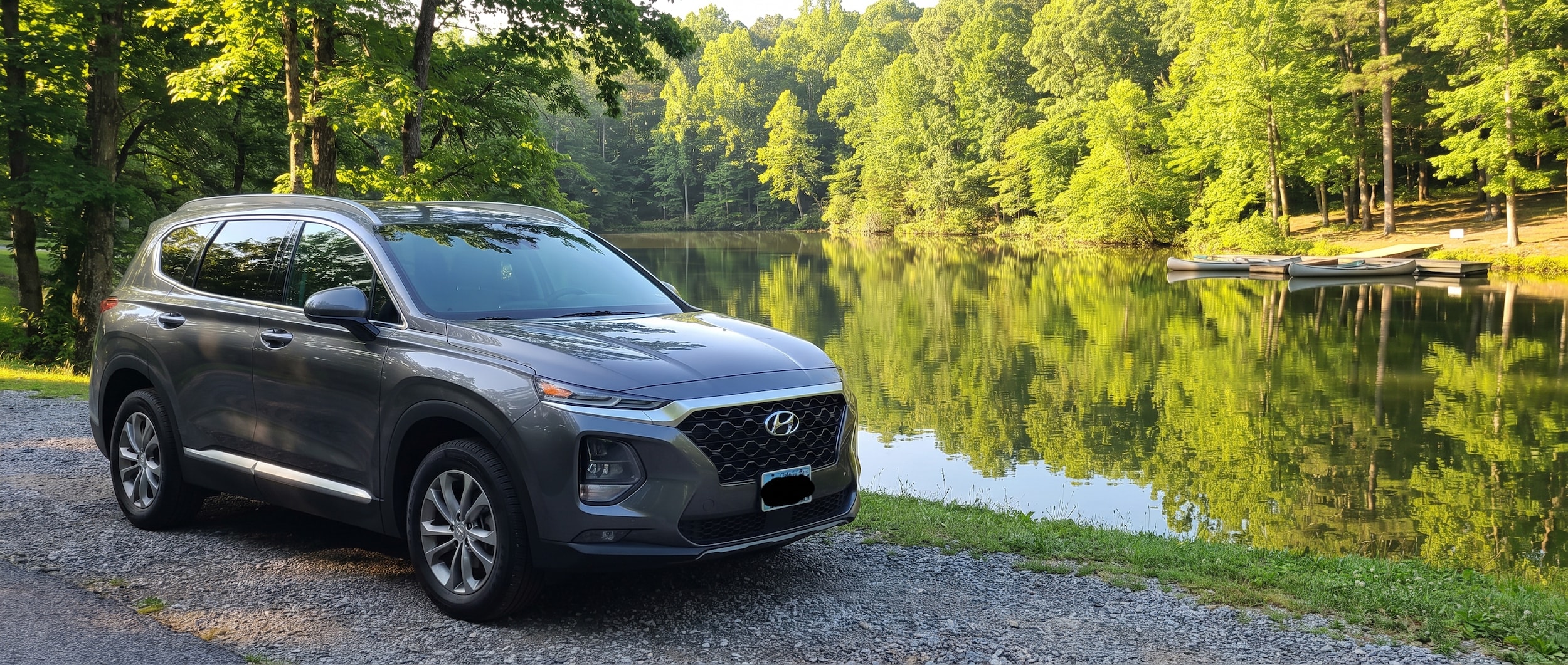
Summer in Hendersonville, TN doesn't ease in quietly. By June, temperatures along Old Hickory Lake are regularly pushing into the upper 80s and low 90s, and your Hyundai® is already working harder than it was in March. A Hyundai June maintenance checklist for Sumner County drivers isn't just a seasonal suggestion - it's a practical way to stay ahead of the repairs that warm weather tends to surface. This guide covers everything worth checking before the hottest months settle in, so you're not caught off guard on Highway 31E or in the middle of a summer road trip.
What Tennessee Heat Actually Does to Your Hyundai
Most drivers think of winter as the tough season for vehicles, but June through August in Middle Tennessee puts serious stress on components that rarely get attention until something fails. Coolant systems, tires, and batteries are the first to feel the pressure.
Here's the part that catches people off guard: heat is harder on car batteries than cold weather. According to the Battery Council International, high temperatures accelerate the internal corrosion of a battery and cause fluid evaporation inside the cells. A battery that made it through January without issue can fail by July if it's already running low on capacity.
Sumner County sits in a humid subtropical climate zone, which means June brings both heat and moisture. That combination affects rubber seals, belts, and hoses faster than dry heat would. If your Hyundai Tucson or Santa Fe has been doing daily runs between Hendersonville and Nashville on I-65, the summer traffic and stop-and-go conditions add even more heat load to the engine bay.
Did you know? The EPA reports that air conditioning can reduce a conventional vehicle's fuel economy by roughly 25% under certain conditions. In Tennessee's June heat, that impact is real - and a well-maintained A/C system will recover efficiency that a neglected one wastes.
Your June Hyundai Maintenance Checklist, Item by Item
Working through this list before the peak heat hits gives you a clear picture of where your Hyundai stands heading into summer. These aren't just minor checkboxes - each one connects to a real risk that intensifies once temperatures climb.
Cooling System and Coolant
Your cooling system is the most critical thing to inspect in June. Check the coolant level in the reservoir and look for any signs of discoloration or rust particles, which signal that it's time for a flush. The hoses connecting to the radiator should feel firm and flexible, not brittle or soft. A soft hose that collapses slightly when squeezed is one that can fail under pressure.
Battery Health
Have your battery load-tested, not just visually inspected. A visual check won't tell you what a load test will - whether the battery can actually sustain output under demand. If your Hyundai Elantra is three years old or more, a load test in June is a smart move before the summer heat pushes an aging battery past its limit.
Tire Pressure and Tread Depth
Tire pressure rises with ambient temperature - roughly 1 PSI for every 10°F increase. That means tires that were properly inflated in April may be over-inflated by mid-June. Check your tires cold, before driving, against the pressure listed on the door jamb sticker (not the number on the tire sidewall). While you're at it, check tread depth with a penny. If Lincoln's head is fully visible, you're under 2/32" of tread and replacement is overdue.
Air Conditioning System
An A/C system that worked fine last fall can underperform in June if the refrigerant level has dropped or if the cabin air filter is clogged. Start the car, run the A/C on max, and check that cold air reaches the rear vents within a minute or two. If it takes longer or the air isn't as cold as expected, have the system inspected before it fails completely on a 92-degree day.
Cabin Air Filter
This one gets skipped constantly. A dirty cabin air filter forces your A/C to work harder, reduces airflow into the cabin, and can carry allergens and dust directly into the ventilation system. June is pollen season in Tennessee, and Sumner County residents know firsthand how aggressive spring and early summer pollen can be around Old Hickory Lake and Drakes Creek Park.
Wiper Blades
June in Middle Tennessee means afternoon thunderstorms. Wiper blades that leave streaks or skip across the windshield are a visibility problem when rain hits hard on Highway 174 heading out toward Gallatin. Replace them if they're more than a year old or show any cracking.
Engine Air Filter
A clogged engine air filter reduces combustion efficiency and makes your engine work harder in heat it's already managing. On the Hyundai Palisade, which moves more weight and runs a larger engine, keeping air flow clean is especially important during summer driving.
June Maintenance Schedule at a Glance
| Maintenance Item | Check Interval | June Priority |
|---|---|---|
| Coolant level and condition | Every 30,000 miles or 2 years | High - heat season |
| Battery load test | Annually or every 3 years | High - heat accelerates failure |
| Tire pressure check | Monthly | High - pressure rises with heat |
| Tread depth inspection | Every oil change | Moderate - before road trips |
| Cabin air filter | Every 15,000 miles | High - pollen season |
| A/C system inspection | Annually before summer | High - peak demand month |
| Engine air filter | Every 15,000-30,000 miles | Moderate |
| Wiper blades | Every 6-12 months | Moderate - storm season |
| Brake inspection | Annually or every 12,000 miles | Moderate |
| Fluid levels (brake, power steering, transmission) | Every oil change | Moderate |
How Sumner County Driving Conditions Affect Your Maintenance Needs
Not every driver in Hendersonville puts the same kind of stress on a vehicle, and that matters when deciding how often to service specific components. The way you drive through Sumner County shapes what your Hyundai actually needs in June.
Drivers who commute daily into Nashville via I-65 or Highway 31 spend significant time in stop-and-go traffic. That kind of driving is harder on brakes, transmission fluid, and the cooling system than steady highway miles. If your Hyundai Kona is making that round trip five days a week, your service intervals should lean toward the shorter end of the recommended range.
Families running weekend trips to Bledsoe Creek State Park or over to Long Hollow Pike for summer activities put different wear on a vehicle - more miles, more load, and longer stretches of sustained speed. Those trips benefit most from checking the tires, cooling system, and fluid levels beforehand rather than after something goes wrong.
Drivers who tow - whether it's a boat out to Old Hickory Lake or a trailer for a camping trip - need to inspect their transmission fluid and hitch connections specifically before summer towing season begins. Towing in high heat accelerates transmission wear faster than any other common driving pattern.
Pro tip: If you drive a Hyundai Tucson Hybrid or Palisade Hybrid, the brake pads typically last longer than on conventional vehicles because regenerative braking does much of the work. However, the brake fluid still absorbs moisture over time and should be inspected annually regardless of how little the pads have worn.
Hybrids Need Summer Attention Too
Hyundai's hybrid lineup has grown significantly, and plenty of Sumner County drivers are now behind the wheel of a Tucson Hybrid, Santa Fe Hybrid, Elantra Hybrid, or Palisade Hybrid. These vehicles share most of the same June maintenance needs as their conventional counterparts, but there are a few areas worth specific attention.
The high-voltage battery pack in a Hyundai hybrid is designed to operate within a specific temperature range. The vehicle manages this automatically through a thermal management system, but that system relies on proper coolant function and adequate airflow. Keeping the conventional cooling system in good shape directly supports the health of the hybrid battery system.
The 12-volt auxiliary battery also needs attention. It handles the vehicle's electronics and is separate from the hybrid drive battery. Heat affects it just like any other lead-acid battery, and it can fail without obvious warning.
Here's what hybrid owners should add to their June checklist:
- Hybrid battery cooling: Make sure the air intake vents (often near the rear seats or cargo area) are unobstructed
- 12-volt auxiliary battery: Have it tested, especially if the vehicle is two or more years old
- Regenerative braking system: A technician can verify it's functioning correctly during a software check
- Coolant for the hybrid system: Some Hyundai hybrids have a separate coolant loop for the inverter - confirm both loops are at proper levels
It's also worth scheduling service before any major summer road trips, not after. Hybrids carry more complex systems, and diagnosing an issue roadside is significantly harder than catching it during a routine inspection.
Common Questions About Hyundai June Maintenance in Hendersonville, TN
How often should I service my Hyundai during summer in Hendersonville, TN?
For most Hyundai drivers in Hendersonville, a service visit every 5,000 to 7,500 miles aligns with Hyundai's recommended intervals under normal driving conditions. If you're driving in heavy stop-and-go Nashville commuter traffic or towing near Old Hickory Lake during summer months, shorter intervals closer to 5,000 miles are a smarter approach. June is a natural checkpoint before the peak heat of July and August sets in.
Does the humidity in Sumner County affect my Hyundai differently than dry climates?
Yes, humidity adds a layer of wear that dry climates don't produce at the same rate. In Sumner County, the combination of heat and moisture accelerates rust formation on brake components, promotes mold growth inside HVAC systems, and can cause rubber seals and belts to degrade faster. Inspecting these components in June gives you a clear read on their condition before summer peaks.
Is my Hyundai Elantra Hybrid battery affected by Tennessee summer heat?
The Elantra Hybrid's high-voltage battery is thermally managed by the vehicle's onboard system, so you won't need to take direct action on it. However, the 12-volt auxiliary battery is susceptible to heat damage and should be load-tested if it's more than two to three years old. Keeping the cabin and cargo vents clear also supports the battery thermal management system's ability to do its job.
Where can I get my Hyundai serviced for summer maintenance near Hendersonville, TN?
Drivers in Hendersonville and the surrounding Sumner County area - including Gallatin and Goodlettsville - can have their Hyundai serviced at a Hyundai-certified service center staffed with technicians trained on Hyundai-specific systems. It's worth scheduling service before peak demand weeks in late June and July, when service center availability tends to tighten up. Now is a good time to schedule service before the summer rush.
Should I check my Hyundai Palisade's brakes before summer road trips?
Absolutely. Brake inspections are particularly important before any long-distance summer driving, and the Palisade's larger size means it carries more weight and puts more demand on the braking system. A visual inspection of pad thickness and rotor condition takes only minutes during a service visit and can prevent a much more expensive repair later. If you're planning to drive through Tennessee's hill country or into the Smoky Mountains region, that inspection is non-negotiable.
What's the difference between a summer tune-up and standard maintenance for my Hyundai?
There isn't a formal 'summer tune-up' in Hyundai's maintenance schedule - the term is mostly a holdover from older carbureted engines. What matters for June maintenance is addressing the components most affected by heat: the cooling system, battery, tires, A/C, and cabin air filter. A Hyundai-certified technician can run through those items systematically rather than applying a generic checklist that may not reflect your specific model's needs.
Get Your Hyundai Ready Before Summer Peaks
June is the right time to take stock of where your Hyundai stands - not because something is necessarily wrong, but because catching small issues before the heat of July and August makes them worse is always the smarter call. Hendersonville summers are beautiful, and Old Hickory Lake, Bledsoe Creek State Park, and the open roads of Sumner County are worth exploring without a breakdown on your mind.
The team at Hallmark Hyundai Hendersonville knows how Middle Tennessee summers affect these vehicles and can work through your June checklist with you using Hyundai-trained technicians and genuine parts. Whether you drive a daily Elantra or a family Palisade Hybrid, a seasonal inspection now means fewer surprises later.
Categories:
Social


